Bipolar in Men Vs. Women: What Are the Key Differences?
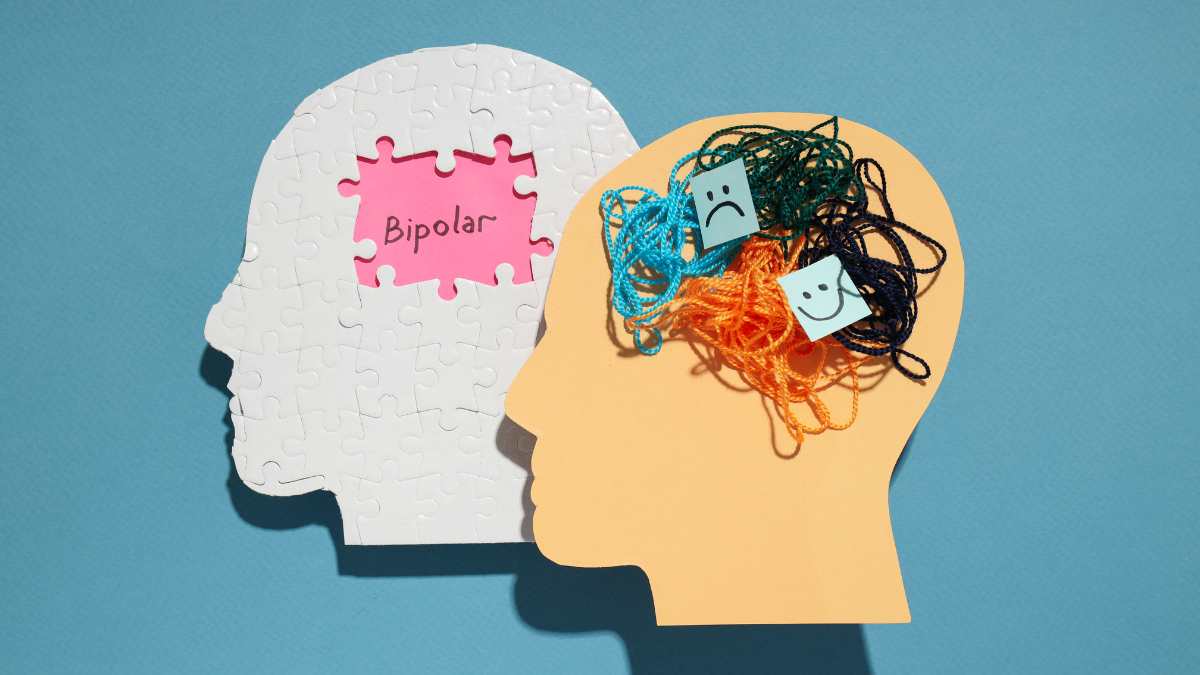
The National Institute of Mental Health reports that 4.4% of Americans struggle with bipolar disorder. While lifetime prevalence is nearly identical between men (2.9%) and women (2.8%), the condition often presents differently between genders. Understanding bipolar disorder in men vs women is key to accurate diagnosis and personalized, effective care.
What Is Bipolar Disorder?
Bipolar disorder, formerly known as manic depression, is characterized by manic and depressive episodes. Manic episodes are defined by heightened mood and energy levels, while depressive episodes are defined by depressive mood patterns, like feelings of sadness, emptiness, and worthlessness.
It is a severe condition in that it is linked with difficulty in many areas of life and functioning. While commonly misdiagnosed, the World Health Organization (WHO) estimates that 1 in 200 persons live with a bipolar disorder worldwide.
Dr. Ryan Peterson, a highly experienced physician at the NuView Treatment Center, says, “Bipolar disorder is a chronic condition. It has no cure, but can be effectively managed with medications and psychotherapy so that you or a loved one can go on to lead a fulfilling life.”
Get Started With Nuview Treatment Center
Our dedicated professional staff is here to guide you or your loved one on the journey to lasting recovery, offering support every step of the way.

Is Bipolar Disorder Different in Men vs. Women?
Yes, bipolar disorder presents differently among men and women. Let us delve into these differences here.
Age of Onset
Age of onset is the age at which a person develops a condition. Women develop bipolar disorder at a significantly later age than men. However, the prevalence of bipolar disorder among adolescents was greater for women.
Type of Bipolar Disorder
Bipolar I is characterized by at least one manic episode and one or more depressive episodes. It has an equal prevalence rate among men and women.
Bipolar II is characterized by episodes of hypomania (a less severe and shorter version of mania) and depressive episodes. It is more prevalent among women, with a female-to-male ratio of 3:2.
Symptoms
While symptom severity is similar among men and women with bipolar disorder, men are more likely to experience manic episodes than women, who are more likely to experience depressive episodes.
Rapid cycling is more common among women than in men. It refers to at least 4 episodes of mania, hypomania, depression, and mixed episodes within a period of 12 months.
Co-Morbidity
Men with bipolar disorder are more likely than women to struggle with comorbid conduct disorder and substance use disorders, while women are more likely to struggle with comorbid phobias, post-traumatic stress disorder (PTSD), personality disorders, and eating disorders.
Menstrual Cycle and Pregnancy
Women with bipolar disorder reported premenstrual and menstrual exacerbation of mood-related symptoms. Even increasing anxiety-related symptoms were found during these phases.
Bipolar disorder also tends to be diagnosed during the post-partum period. More than 50% of the women are diagnosed during this time.
Substance Use Disorder (SUD) Risks
Bipolar disorder co-occurs with SUDs at a higher rate among men than in women. Psychoactive substances like alcohol and drugs can worsen the symptoms of bipolar disorder, leading to a toxic web of misuse and dependence.
Suicide Risks
8% of men and 5% of women with bipolar disorder committed suicide.
If anyone is struggling with suicidal thoughts or behaviors, please contact national helplines like 9-8-8 immediately. This can be a life-saving move.
Treatment Methods
Men with bipolar disorder are treated with lithium, while women are more often treated with a combination of antidepressants, lamotrigine, benzodiazepines, psychotherapy, and electroconvulsive therapy (ECT). The use of ECT was found among women with bipolar I, and lamotrigine among women with bipolar II.
What Do These Gender Differences Mean For Healing and Recovery?

Bipolar disorder can be severe for both men and women, but they experience it differently. This means that treatment must be personalized to meet the person where they are.
Generally speaking, men do not reach out to seek the care they need and deserve because of social stigma and expectations, while women face challenges linked with medications affecting hormonal cycles and pregnancy, and caregiving roles. This is why we need recovery options that are personalized, flexible, and uphold the rigorous ethical standards of privacy and confidentiality.
Get Started With Nuview Treatment Center
How is Bipolar Disorder in Men vs Women Treated?
Diagnosis
The first step to effectively treating bipolar disorder is an accurate diagnosis. Unfortunately, this condition is misdiagnosed among men and women, with a misdiagnosis affecting women more than men.
This is why a comprehensive psychiatric evaluation involving medical history, family history, medical tests/physical examinations to rule out other conditions, and the use of the Diagnostic and Statistical Manual of Mental Disorders (DSM-5-TR) to diagnose the type of bipolar disorder is very crucial.
Treatment
As bipolar disorder is a chronic condition, effective management involving a combination of treatment modalities is needed. This basically involves:
- Psychotherapies like cognitive behavioral therapy (CBT), interpersonal and social rhythm therapy, and family-focused treatment (FFT)
- Medications like mood stabilizers, atypical antipsychotics (second-generation antipsychotics/neuroleptics), and antidepressants
- Psychoeducation sessions to identify personal triggers and early symptoms to seek medical attention immediately
- Lifestyle modifications such as physical activity, meditation, and mindfulness exercises incorporated into daily life
- Alternative therapies like ECT, transcranial magnetic stimulation (TMS), and ketamine-assisted therapy when there is a poor response to medications
- Dual diagnosis programs using psychotherapy, medication, and peer support to treat both bipolar disorder and substance use disorders for a well-rounded recovery
Dr. Peterson says, “The prognosis for bipolar disorder is generally positive when effectively treated. It is a lifelong condition, so treatment can take years, but those who receive early intervention and care live meaningful and productive lives.”
Reach Out to NuView to Begin Your Healing Journey Today!
At NuView, we steer away from a one-size-fits-all approach to your care - our team personalizes bipolar disorder treatment options based on your symptoms, history, lived experiences, challenges, and strengths. We offer intensive recovery options like partial hospitalization programs and step-down intensive outpatient programs for bipolar disorder for your ongoing care and lasting recovery.
If you recognize bipolar disorder symptoms in yourself or a loved one, do not delay your recovery any longer. Please contact us at (323) 307-7997 today.
Frequently Asked Questions About Bipolar Disorder in Men vs Women
1. Is bipolar disorder different in men and women?
Bipolar disorder occurs at a similar rate among men and women; however, men are more likely to present with bipolar I symptoms, while women are more likely to present with bipolar II symptoms.
2. Is bipolar disorder more severe among men than women?
No, bipolar disorder symptom severity is equal among men and women. However, this can worsen during the premenstrual and menstrual phases among women.
3. Are men with bipolar disorder more likely to commit suicide than women?
Yes, men with bipolar disorder are more likely to commit suicide than women. However, the rates of suicide are still high among both men (8%) and women (5%).
4. Are there any treatment differences among men and women with bipolar disorder?
Although not empirically supported, men with bipolar disorder are more likely to be treated with lithium, while women are more likely to be treated with antidepressants, lamotrigine, benzodiazepines, psychotherapy, and electroconvulsive therapy.
5. How do gender differences impact bipolar disorder treatment among men and women?
Understanding the gender differences in bipolar disorder helps personalize treatment options to the symptoms and lived experiences of men and women.
6. Can bipolar disorder be prevented?
No, there are no known ways to prevent bipolar disorder, as it is intricately tied to genetic and environmental factors.
7. Can bipolar disorder be cured?
No, bipolar disorder cannot be cured, but it can be effectively managed with medications and psychotherapy.
8. How long does bipolar disorder treatment last among men and women?
Bipolar disorder is a lifelong condition, so treatment requires ongoing management among men and women.
9. How is privacy and confidentiality maintained in bipolar disorder treatment?
Treatment centers like NuView follow rigorous HIPAA standards to ensure your privacy and confidentiality.
10. How much does bipolar disorder treatment cost?
Bipolar disorder treatment costs can vary depending on the treatment center and the type of treatment options involved. At NuView, we believe in bringing high-quality, insurance-covered care that reduces financial burden to a great extent.
- What Is Bipolar Disorder?
- Is Bipolar Disorder Different in Men vs. Women?
- What Do These Gender Differences Mean For Healing and Recovery?
- How is Bipolar Disorder in Men vs Women Treated?
- Reach Out to NuView to Begin Your Healing Journey Today!
- Frequently Asked Questions About Bipolar Disorder in Men vs Women
- What Is Bipolar Disorder?
- Is Bipolar Disorder Different in Men vs. Women?
- What Do These Gender Differences Mean For Healing and Recovery?
- How is Bipolar Disorder in Men vs Women Treated?
- Reach Out to NuView to Begin Your Healing Journey Today!
- Frequently Asked Questions About Bipolar Disorder in Men vs Women
Get Help Today!


- https://www.nimh.nih.gov/health/statistics/bipolar-disorder
- https://www.who.int/news-room/fact-sheets/detail/bipolar-disorder
- https://pubmed.ncbi.nlm.nih.gov/14563100/
- https://pmc.ncbi.nlm.nih.gov/articles/PMC4539870/
- https://pubmed.ncbi.nlm.nih.gov/30658014/
- https://www.sciencedirect.com/science/article/abs/pii/S0193953X03000364?via%3Dihub
- https://bpspubs.onlinelibrary.wiley.com/doi/10.1111/bph.14584
- https://postpartum.net/perinatal-mental-health/#Bipolar
- https://www.researchgate.net/publication/11794655_Substance_abuse_in_bipolar_disorder_Bipolar_Disorders_34_181-188
- https://pmc.ncbi.nlm.nih.gov/articles/PMC5788807/
- https://pubmed.ncbi.nlm.nih.gov/25532077/


Everyone is Welcome Here and We All Have Your Back
Your healing journey deserves a personalized approach. At NuView, we integrate expertise in behavioral therapy, mental health, and substance use treatment to create a customized recovery plan tailored to your unique needs.
Connect with our Admissions Specialists today.
Written By
Dr. Ryan Peterson